
If your neck has started to feel like it is made of concrete, or your lower back keeps grumbling after long days at the desk, you are not alone. I hear this a lot during home visits in Ealing. Deep Tissue Massage can sound a bit intense if you have not tried it before, but done well it is steady, focused and incredibly relieving. In this post I will explain how I approach Deep Tissue Massage at home in Ealing and nearby, why it works, what it feels like in real life, and how to get the best from your session.
What I Mean By Deep Tissue Massage
People often imagine Deep Tissue as simply strong pressure. In truth, it is more about depth, direction and patience. I work slowly through the superficial layers of muscle and fascia so the deeper layers can release without a fight. This is different to pushing hard and hoping for the best. The aim is therapeutic change that your body can absorb, not gritting your teeth and tolerating pain.
How Deep Tissue Differs From Swedish or Holistic Massage
Swedish and Holistic techniques are great for general relaxation and circulation. Deep Tissue focuses on specific areas of tension, old strains or movement restrictions. I use targeted strokes, friction and sustained holds to change the texture of the tissue, improve glide between layers and calm the nervous system. The result is a clearer sense of ease and mobility. You may feel relaxed afterwards, but the goal is not just to chill out, it is to help you move and feel better.
Pressure Versus Depth
Firm pressure can be useful, but depth is about alignment and timing. I angle the strokes along the direction of the fibres, hold a spot until it melts, then follow the line of restriction rather than fighting it. If your body braces, the pressure is too much or too quick. I will always work with feedback, breath cues and gradual progression so we can go deep without overwhelm.
Who Benefits From Deep Tissue Massage
I support clients across Ealing, Chiswick, Richmond and nearby who have one or more of the following:
- Desk-related neck and shoulder tension, including headaches that track from the base of the skull.
- Lower back tightness, often linked with hip stiffness or hamstring restriction.
- Training niggles, for example IT band tension after runs along the Thames Path, calf knots from hill repeats in Richmond Park, or bench press tightness across the chest and front of the shoulder.
- Postural patterns, such as rounded shoulders or an anterior pelvic tilt, that create load and fatigue over time.
- Stress-related bracing, shallow breathing and jaw clenching.
If You Work At A Desk
Home offices are convenient, but kitchen chairs and laptops can wind up the neck fast. Deep Tissue helps by creating space around the shoulder blades, softening the pecs and scalenes, and ungluing the base of the skull where many tension headaches begin. We also look at simple daily resets you can actually do during a busy week.
If You Train Regularly
Gym-goers in Ealing Broadway and runners from Chiswick to Kew often book me when tightness refuses to shift. Deep Tissue supports recovery by improving local blood flow, reducing protective guarding and restoring normal sliding between muscle layers. That means fewer compensations, better form and a calmer nervous system between sessions.
If Stress Sits In Your Body
Some clients are not injured, they are simply carrying a lot. Shoulders creep upwards, the jaw tenses, breathing gets shallow. Deep Tissue can be combined with breath work and my Harmonoflow approach so your system can switch out of survival mode and into restoration. This is where at-home relaxation really shines, since you do not need to travel afterwards.
Techniques I Use During Deep Tissue Massage
My toolkit is broad, and I will tailor it to your goals on the day. Here are the main approaches I use during an at-home Deep Tissue treatment.
Slow, Sustained Pressure
I sink gradually into the tissue with forearm or elbow, wait for the first release, then progress in stages. The slowness is not for show. It is how the deeper layers agree to let go.
Myofascial Work
Fascia is the connective tissue that wraps muscles and links regions of the body. I use gentle shearing and lengthening to reduce stickiness. This can feel like a firm stretch under the skin rather than a typical massage stroke.
Cross-Fibre Friction
Short, specific strokes across the grain of a tendon or muscle belly help remodel adhesions from repetitive loading. I often use this on the rotator cuff, the Achilles tendon and around the hip.
Trigger Point Release
These are tiny hotspots that refer pain elsewhere. Pressure is applied until the sharpness eases, then I finish with flushing strokes to clear the area. The goal is to calm, not to beat the muscle into submission.
Active Release and Mobilisation
I may ask you to move gently while I hold a structure, for example rotating your shoulder while I work on the pec minor, or flexing the ankle while releasing the calf. This invites the brain to relearn movement without the old guard.
Breath-Led Harmonoflow Elements
Harmonoflow is my signature approach that layers therapeutic technique with rhythm, breath and mindful pacing. It helps the deeper work land more softly, and it is especially useful if you carry stress as well as tightness.
What To Expect From An At-Home Session In Ealing
I bring the professional kit to you, which means you can focus on the treatment, not the travel. Here is how a typical session runs.
Setting Up The Space
I bring a supportive massage table, fresh linens and natural wax or oil. A quiet corner is ideal, with room to move around the table. A living room works well. I keep everything discreet and tidy, and I am fully insured and CNHC registered for your peace of mind.
Consultation And Assessment
We start with a chat about what you need today. I will ask about your training, daily routine, any past injuries and medical considerations. I may look at how you stand and how your shoulders or hips move. It is not a gym assessment, just enough to guide a precise treatment.
During The Treatment
Communication is key. I will check pressure and approach, and you can tell me what you feel. If I find sensitive areas, we will work with breath rather than pushing through. Expect a mix of slow deep work, targeted holds and soothing integration strokes so you finish feeling balanced, not battered.
Aftercare And Simple Homework
I like to keep aftercare practical. Drink water to help your system process the work. A short walk can be helpful. I will show you one or two micro-mobility drills or breathing resets that are doable in a busy week. No long lists you will never practise. Just the minimum that makes a difference.
Benefits You Can Expect
Everyone responds differently, but most clients notice a few common shifts after Deep Tissue Massage.
Immediate Ease And Warmth
Pain often softens, movement feels freer and you can take a deeper breath. The body is quieter. Sleep that night tends to be better.
Improved Range Of Motion
By reducing muscle guarding and fascial restriction, joints can move through a fuller arc. Think easier shoulder abduction, a clearer neck rotation or hips that finally extend when you walk.
Better Training Tolerance
With improved tissue quality and nervous system calm, lifting or running often feels smoother. Recovery between sessions improves, and performance becomes more consistent.
Headache Reduction
For those with tension-type headaches, releasing the suboccipitals, upper traps and jaw can make a real difference. I pair this with breath and posture tips you can use at your desk.
Deep Tissue For Specific Areas
Neck And Shoulders
Here I often combine myofascial work around the collarbone and upper ribs with deep, slow holds at the base of the skull. The goal is to free the shoulder blades, soften the chest and ease the neck so your head sits more comfortably on top of the spine. If you clench your jaw, we will include gentle work around the masseter and temporalis.
Lower Back And Hips
Lower back discomfort is rarely just the back. I will check hip flexors, glutes and hamstrings. Deep Tissue to the quadratus lumborum and glute medius can be transformative when combined with hip mobilisation. You should feel longer through the waist and steadier when you stand.
Legs And Calves
Runners and cyclists around Ealing Common often book for calf tension. I use slow stripping of the gastrocnemius and soleus, ankle mobilisation and targeted friction for the Achilles if appropriate. For knee niggles, work along the lateral thigh and IT band region can reduce drag on the joint, though we do not try to squash the IT band flat. We aim for better glide and less irritation.
Common Questions I Hear
Should Deep Tissue Hurt?
Short answer, no. You may feel intensity or a good ache, but you should be able to breathe and relax with it. Sharp or searing pain is a stop sign. We work together to find the right level so your body trusts the process and changes stick.
How Many Sessions Do I Need?
For a fresh strain or simple tightness, one to three sessions can be enough to reset things. For longer term patterns, a short block works well, for example weekly for two or three weeks, then spacing out. I prefer to get results in the fewest sessions necessary. We will plan sensibly based on how you respond.
Deep Tissue Or Sports Massage?
There is overlap. Sports massage is a category that often includes Deep Tissue plus event prep and recovery protocols. My Deep Tissue work is sport-informed, but equally useful if you never set foot in a gym. Your goals decide the blend.
Is It Safe?
With proper screening and technique, yes. I am fully insured and CNHC registered, and I have over 15 years of clinical experience. If you have a medical condition, recent surgery, pregnancy or specific concerns, tell me during the consultation so I can adapt. If something is outside massage scope, I will advise you to see your GP or an appropriate specialist.
Preparing For Your At-Home Deep Tissue Massage
Before Your Session
- Hydrate lightly and avoid a heavy meal within an hour of treatment.
- Wear comfortable clothing that is easy to change out of and back into.
- Have a glass of water and a towel to hand. I bring everything else.
- Think about your priority area so we can focus your time well.
After Your Session
- Expect mild tenderness in worked areas for a day or so, similar to post-exercise soreness. This is normal.
- Move gently. A short walk helps the tissues settle.
- Use the one or two drills I give you. Consistency beats complexity.
- Book your follow-up if needed, or check in by message if you have any questions.
Mobile Massage Across Ealing And Nearby Areas
I provide Mobile Massage at home across Ealing, Chiswick, Richmond and surrounding neighbourhoods. I also work across Slough, Maidenhead and Windsor, and within roughly 10 kilometres of Slough including Langley, Iver and areas around Langley Leisure Centre. If you travel a lot for work or juggle family life, at-home relaxation can be the difference between getting the care you need and putting it off for months. I bring the massage clinic to you so you can get up from the table, have some water, and enjoy being in your own space.
When Deep Tissue Is Not The First Choice
Deep Tissue is not a one-size-fits-all solution. If you are pregnant or early postpartum, I often recommend a Prenatal or Postnatal approach that is gentler but still effective. If your system is already overwhelmed, a Holistic session or my Harmonoflow treatment can calm the body first, then we can add deeper work later. If you are in acute inflammation, such as a hot, swollen joint, we will avoid heavy pressure and focus on soothing techniques until the flare settles.
Mini Stories From Practice
Names changed for privacy, details typical rather than exact. These give a flavour of how Deep Tissue can help.
Anna, Desk-Based Designer In Ealing
Anna had daily neck stiffness and a dull headache by late afternoon. We focused on the base of the skull, the front of the neck and the upper ribs, plus a two-minute breathing reset she could do between calls. After two sessions the headaches reduced significantly. We moved to monthly maintenance while her workload stayed high.
Mo, Recreational Runner From Chiswick
Mo felt tight along the outside of his right knee after longer runs. Testing showed hip tightness and a grippy TFL. We worked through the hip, lateral thigh and the calf, added a simple hip extension drill and reduced his weekly hill sprints for ten days. His knee settled, pace returned, and he booked again before his half marathon for a tune-up.
Sara, New Mum Near Richmond
Sara’s upper back and wrists were sore from feeding and carrying. We avoided heavy pressure in sensitive areas and combined gentle myofascial work with neck and shoulder release, then finished with a restorative Harmonoflow sequence. She messaged the next day to say she slept deeply for the first time in weeks and woke with a lighter back. We carried on with focused Postnatal sessions for the next month.
Why At-Home Deep Tissue Works So Well
Getting to a clinic is not always easy. By bringing Massage Therapy to your home, we remove travel stress and give you time to settle both before and after. The nervous system responds better when it feels safe. Warm room, familiar surroundings and no rush to get back on public transport, these things add up. The result is often a deeper release and longer lasting change. You can also build tiny habits in your real environment. If I show you a neck drill next to your workstation, you are far more likely to use it.
A Few Gentle Myths To Clear Up
“No Pain, No Gain”
Not true. Deep Tissue can be intense, but pain is not required for change. The nervous system is in charge. It allows release when it trusts what is happening.
“The Therapist Should Chase The Pain”
The sore spot is often a victim, not the culprit. We will treat the area, but we will also look above and below for the drivers. For lower back tightness, hips and thoracic mobility are often the missing links.
“Deep Tissue Is Only For Athletes”
It is for anyone with stubborn tightness or limited movement. Many of my Deep Tissue clients are busy parents, musicians, teachers or health workers around Ealing and Slough who simply need their body to feel more like their own again.
Combining Deep Tissue With Your Routine
Deep Tissue works best when paired with small, realistic habits. Here are a few I often suggest in Ealing and the surrounding areas.
- Desk resets, elbows on desk, gentle chest opening, three slow breaths, ten seconds, little and often.
- Foot and calf care, especially for runners, a minute of calf raises and ankle circles while the kettle boils.
- Walk and breathe, two to five minutes outdoors after long calls to reset your posture and headspace.
- Pre-sleep unwind, 30 to 60 seconds of nasal breathing with one hand on chest and one on belly to downshift before bed.
Working With Me
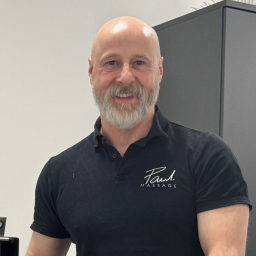
I am Paul, a certified, insured, CNHC registered mobile massage therapist with over 15 years in practice. I cover Ealing, Chiswick, Richmond, Slough, Maidenhead, Windsor and nearby neighbourhoods including areas within 10 km of Slough such as Langley. I bring professional care to your home, with a calm, client-led approach and a clear focus on results that matter to you. Whether you are training for an event, rebuilding after a setback or simply tired of feeling tight, we will create a plan that fits your life.
How To Book Or Ask A Question
If you are curious about Deep Tissue Massage in Ealing or nearby and want to see if it suits you, send me a message or book a session at a time that works around your day. If you are looking for a way to unwind without leaving the house, a mobile massage might be just what you need. To book Deep Tissue Massage in Slough, Ealing, Richmond, Chiswick, Maidenhead or Windsor, head to the booking page and choose a time that suits you. If you are not sure which service to pick, I can advise during the consultation and tailor the session for you.
Final Thoughts
Deep Tissue Massage is not about force, it is about listening to the body and applying the right kind of pressure in the right place for the right amount of time. When done well, it is both focused and calming, and it helps you get back to what you enjoy. If your body is asking for more than a quick rub, and you want expert care in the comfort of your own home, I would be happy to help.
0 comments