
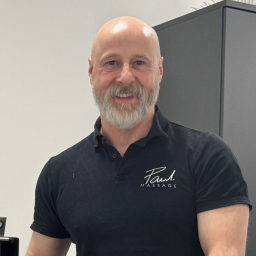
When someone invites me into their home, or comes to see me at the clinic, they’re not just booking a massage. They’re trusting me with their space, their time, and their body. In my experience, the moment people truly let go is the moment they feel safe — and that usually comes down to straightforward professionalism.
Why professionalism is what allows clients to truly relax
Most of us carry tension that’s part physical, part mental. You might be dealing with a stiff neck from the desk, aching legs from training, or simply the background stress of a busy life. The massage itself helps, of course, but feeling completely comfortable with the person in the room is what lets the work go deeper. That’s especially true with Mobile Massage and At-Home Relaxation, where I’m walking into your personal space.
What clients often say or experience
Over the years I’ve heard a steady pattern in feedback. People mention feeling at ease very quickly. They notice the session is calm, unhurried, and respectful. For home visits, punctuality, cleanliness, and clear boundaries come up again and again. Women living alone often tell me they felt comfortable from the start. These aren’t flashy things — they’re the basics done well — but they matter more than anything when it comes to trust.
Therapist insight
Relaxation isn’t a switch you can flick. It builds. From the first message to the final stretch on the table, each step either adds to your sense of safety or takes away from it. I find simple, consistent habits help: arriving on time, checking preferences without fuss, keeping the space tidy, and explaining what I’m doing and why. Pressure is always adapted to you. With Deep Tissue Massage, for example, I work within your comfort, not beyond it. Firm doesn’t mean forceful.
I also keep boundaries clear. My work is strictly professional and therapeutic. That clarity helps people relax without second-guessing anything. I’ve seen time and again that when trust is there, muscles soften sooner and breathing settles. The body does its part more willingly when the mind feels safe.
What this means if you’re considering massage
If you’re new to Massage Therapy or it’s been a while, it’s normal to have questions. You might wonder what to wear, how much to talk, or whether it’ll be painful. None of this needs to be awkward. We go at your pace. You’re covered appropriately at all times. You can chat or enjoy the quiet — most people drift in and out. If anything feels too much, say so and I’ll adjust. The aim is comfort and progress, not pushing through.
For Mobile Massage around Slough, Windsor, Maidenhead, and nearby areas within roughly 10 km of Slough, the same standards apply as in clinic. I bring the table, fresh linens, and everything needed, then leave your room exactly as I found it. Clinic sessions run from Langley Leisure Centre in Slough, which some people prefer if they want a change of scene. I also visit parts of West London, including Ealing, Chiswick, and Richmond, when the diary allows.
Subtle real-world examples
Common threads in reviews make sense to me. People often say they felt “at ease straight away” — that’s usually a mix of punctual arrival, a short, clear chat, and starting gently while I listen to how your body responds. I hear “professional and kind” quite a lot, which is really just respect in action. And for home visits, comments about feeling safe as a woman living alone tell me the basics are doing their job: clear communication, tidy setup, and a calm manner.
Practical guidance
Before your session
- For home visits, a small clear space (about 2m x 3m) and two large towels is perfect. A plug socket nearby helps.
- Wear whatever you’re comfortable changing out of. You’ll be draped throughout, with only the area being worked on uncovered.
- Think about what you want from the session: easing a specific area, general unwind, or a blend. We’ll tailor it on the day.
During the massage
- We’ll start lighter and build as your body allows. With deeper work, I use steady pressure and slow pacing rather than force. My Harmonoflow™ approach combines rhythm and depth to help tissue release without bracing.
- Talk if you want to, or rest quietly — either is fine. A simple “a bit less there” or “you can go firmer” is always welcome.
- If anything doesn’t feel right, say so immediately. Comfort is the guide.
Aftercare and expectations
- Most people feel looser and calmer. Sometimes there’s mild soreness for a day or so after deeper work — that usually settles with rest, water, and gentle movement.
- For long-standing issues, progress is often gradual. A short run of sessions, spaced out sensibly, tends to work better than a one-off heroic effort.
- Light stretching, easy walks, and regular breaks from the desk help keep the benefits going.
A note on choosing a therapist
Look for someone who listens, explains simply, and respects your boundaries. Professional qualifications matter, of course, but day-to-day reliability — turning up on time, keeping things clean, and adapting to you — is what creates the setting where you can genuinely relax.
Closing thoughts
Massage isn’t a magic fix, but it can be a steady support. Many clients start for a specific ache and then keep sessions going as part of their routine — a practical check-in for body and mind. If you’re looking for a way to unwind without leaving the house, a mobile massage might be just what you need. And if you prefer a clinic setting, I’m at Langley Leisure Centre in Slough most days.
To book Deep Tissue Massage in Slough, Windsor, Maidenhead, or nearby, head to the booking page and choose a time that suits you. I also visit parts of Ealing, Chiswick, and Richmond when available. However you book, the aim is the same: a calm, professional session where you can feel safe, listened to, and properly looked after.
0 comments