
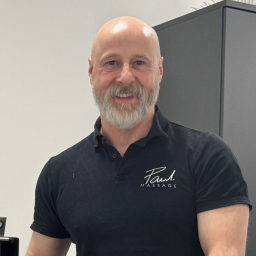
You have a massage gun sitting in a drawer. It felt great the first week, then you were not quite sure if you were helping your body or just bruising it. I hear versions of this all the time. As a massage therapist who works with busy professionals, gym‑goers, runners, new parents, and everyone in between, I am often asked when a massage gun is genuinely helpful and when it can make things worse. Here is a practical guide you can trust, written from years of hands‑on experience, so you can use your device with confidence or know when to put it down and book proper support.
What a massage gun actually does
Massage guns deliver rapid, repetitive taps to the surface of the body. This is called percussive or vibration therapy. At a simple level, that rhythmic input can:
- Increase blood flow to the area
- Warm up tissues so they feel more supple
- Reduce the brain’s perception of tightness or discomfort for a while
- Help you tune into an area that needs attention
What it does not do is “break up” knots or scar tissue like a chisel. Your muscles are not lumps to be smashed. Most of what we call a knot is a mix of muscle guarding, trigger points, and the nervous system keeping you on high alert. Think of a massage gun as a useful signal to the body, not a hammer for stubborn cement.
When a massage gun helps
1. Post‑workout soreness that is not an injury
If you have classic delayed onset muscle soreness after a strength session at Langley Leisure Centre or a run along the Thames in Windsor, a massage gun can feel great. Use it lightly over the bigger muscle groups that worked hard, like quads, hamstrings, glutes, or calves. It can reduce that heavy, stiff feeling and help you move more comfortably the next day.
2. Pre‑exercise warm up
Before you train, a short burst can help wake up sleepy tissues. Thirty to sixty seconds over the main muscles you plan to use, combined with dynamic movement, can improve your sense of readiness. For example, before a cycle around Richmond Park, sweep the gun over glutes, quads, and calves on a low setting, then do some leg swings and squats.
3. Desk‑related stiffness
If you are in Ealing or Chiswick and work long hours on a laptop, the upper back, chest, and hips can feel locked. A gentle pass with the massage gun can interrupt the “holding pattern” and remind your body to breathe and move. Pair it with shoulder rolls, a standing break, and a few slow neck movements. The tool helps most when it nudges you to change posture, not when it replaces movement.
4. Travel recovery
After a drive around the M4 or a flight, circulation can feel sluggish and joints stiff. Light vibration over calves, thighs, and glutes can feel soothing. Keep the pressure easy. If you have any risk of blood clots, skip the gun and use gentle movement, ankle pumps, and a walk instead.
5. Gentle use around old scar tissue that has healed
Once your GP or surgeon has cleared you, light vibration around an old, fully healed scar can sometimes help reduce sensitivity. Keep the speed low, avoid direct pressure on the scar initially, and listen carefully to your body. If the area gets angrier, stop.
When a massage gun can make things worse
1. Acute injuries and fresh inflammation
If you have a new muscle strain, pulled hamstring, rolled ankle, or sharp back pain, a massage gun can aggravate the area. The early phase of an injury needs time, gentle movement within comfort, and sometimes medical assessment. Pummelling a fresh injury can delay healing.
2. Nerve‑related symptoms
Symptoms like pins and needles, burning, shooting pain, numbness, or electric zaps suggest nerve involvement. Common examples are sciatica, carpal tunnel, or radiculopathy in the neck. A massage gun over irritated nerves can flare things up. If you feel those sensations, stop and seek assessment. Hands‑on Massage Therapy can help in some cases, but it must be tailored.
3. Bony areas and sensitive structures
Avoid direct work over the spine, collarbones, the front of the neck, ribs, ankles, knees, and the point of the elbow. Bone does not benefit from percussion. Stay on the muscle bellies, keep moving, and avoid pressing hard.
4. Varicose veins, suspected DVT, or circulatory issues
Do not use a massage gun over varicose veins or if you have a suspected deep vein thrombosis. Signs can include a hot, swollen calf with unexplained pain. This is a medical situation. Seek urgent help from your GP or A&E.
5. Pregnancy
During pregnancy, avoid the abdomen and lower legs. The calves are best left alone due to clot risk. Gentle, specialist Pre/Postnatal Massage is a safer choice. If you are in Maidenhead, Windsor, or nearby, I can bring supportive, comfortable at‑home treatments that adapt as your body changes.
6. Post‑surgery and open wounds
Do not use a massage gun on or near surgical sites until you have medical clearance, the wound is fully healed, and scar tissue is mature. Even then, go slowly and with guidance.
7. Severe bruising or suspected tear
If you see clear bruising or have a sudden, sharp pain that changes how you move, rest and assessment come first. A gun on a tear is a fast track to more swelling and irritation.
8. Hypermobility and easily irritated tissues
Some people are highly sensitive to mechanical input. If you live with hypermobility, Ehlers‑Danlos syndrome, fibromyalgia, or chronic pain, a massage gun can trigger a flare. If you use one at all, use the lowest setting for very short sessions and be guided by your next‑day response, not just how it feels in the moment.
9. Osteoporosis, thin skin, or blood‑thinning medication
Fragile bones and tissues do not enjoy percussion. Err on the side of caution or avoid entirely. Hands‑on, gentle techniques or my Harmonoflow™ approach are often better suited.
10. Skin infections, rashes, and areas of altered sensation
Do not use a massage gun over infected skin, eczema flares, psoriasis plaques, or areas where you cannot fully feel light touch. You need full sensation to gauge pressure safely.
How to use a massage gun safely
Settings and pressure
- Start on the lowest speed and the softest head attachment.
- Hold the device lightly. Let its weight do most of the work.
- Keep it moving slowly. Think of sweeping, not drilling.
- Work a single area for 30 to 60 seconds, then move on.
Your comfort scale
Use a simple guide. Zero is no sensation, ten is intolerable pain. Aim for three to five. If your face scrunches up, you hold your breath, or you guard, it is too much. Good input should let your shoulders drop and your breath stay easy.
Areas to target
- Big muscle groups like quads, hamstrings, glutes, calves
- Upper back and lats, staying off the spine
- Pecs, but avoid the front of the neck and collarbone
- Forearms and hands with very light pressure
Areas to avoid
- Front or sides of the neck
- Directly over the spine or ribs
- Knees, ankles, elbows, collarbones
- Abdomen, especially in pregnancy
- Anywhere with varicose veins, active swelling, or bruising
Timing and frequency
- Pre‑exercise: 30 to 60 seconds per muscle group, then dynamic warm up.
- Post‑exercise: 1 to 2 minutes per area, gentle setting, then light movement and hydration.
- On rest days: little and often works better than rare aggressive sessions.
Massage guns vs hands‑on therapy
I use tools when they help, but hands and a trained eye offer something a device cannot. During a Deep Tissue Massage or a Harmonoflow™ session, I am not just pressing. I am assessing how your tissues respond, how your breathing changes, and what your nervous system is doing. The work adapts moment to moment. If the body says “back off”, I back off. If it invites more depth, I meet it.
The best results tend to come from combining simple self‑care at home with targeted, professional input. If you are in Slough, Ealing, Chiswick, Richmond, Windsor, Maidenhead, or within 10 km of Slough, I bring Mobile Massage to you. No travel stress, just At‑Home Relaxation and focused care on your terms.
When to switch from the gun to a session
- Recurring tightness that returns within a day or two
- Pain that stops you sleeping or training
- Symptoms with nerve signs like numbness or zinging
- Postnatal recovery where your body needs gentler, smarter support
- Stress, anxiety, or burnout that shows up as a tight chest, shallow breathing, or clenching
In the treatment room, or your living room, I can use a mix of Deep Tissue Massage, mobilisation, breath work, and Harmonoflow™. The aim is always the same. Reduce irritation, improve movement, and help you feel at ease in your own body.
Mini stories from practice
The calf that would not calm down
A runner in Windsor came to me with a grumpy calf. He had been hammering it with a gun every evening. The pain would settle for half an hour, then bite again. On assessment it was a low‑grade strain. We paused the gun, used gentle manual work around, not on, the sore spot, worked the hips and ankles, and adjusted his training for ten days. He returned to pain‑free running without the nightly battle.
Desk neck relief in Ealing
A client who works long hours from home had tight traps and a stiff upper back. We kept the massage gun at a low setting for brief sweeps across the mid back but focused our session on rib mobility, breathing, and softening the pecs. We also set simple hourly movement breaks. The combination beat the device‑only strategy because we changed the pattern, not just the sensation.
Postnatal care in Maidenhead
A new mum felt sore through her mid back from feeding and carrying. The massage gun felt too “buzzy” and made her anxious. We used calm, rhythmic Harmonoflow™ techniques, gentle positioning, and a few easy movements she could do during nap time. She felt more at home in her body and slept better. The right input for the nervous system matters as much as pressure.
Common questions and honest answers
“Does a massage gun break up knots?”
No. It changes how your brain interprets the area. That can be very useful, but it is not smashing lumps. If a spot never softens, it may be guarding because something else is doing too much or too little. That is where assessment helps.
“Can a massage gun help sciatica?”
Sometimes, but with care. If your sciatica is irritated, direct percussion over the sore line can flare it. Gentle work on the hips and glutes may ease pressure, but I would rather assess first. Hands‑on techniques, pacing, and specific mobility often work better than guesswork with a device.
“Is it good for lymphatic drainage?”
The lymph system prefers slow, light, sweeping touch. High‑speed percussion is not ideal. If you are after de‑puffing or gentle recovery, light hands‑on work and simple movements usually win.
“What about using it on the IT band?”
The IT band is a thick tendon‑like structure on the outside of the thigh. It is not meant to stretch much. Hammering it is often just painful. Instead, work around it. Soften the quads, hamstrings, and glutes. Move the hip and ankle. Most people feel better faster with that strategy.
Red flags that mean stop and get help
- Unexplained swelling, heat, or redness in a limb
- Severe, unrelenting pain or night pain that wakes you
- Sudden weakness, loss of coordination, or bowel or bladder changes
- Chest pain, shortness of breath, or a feeling something is very wrong
If any of these apply, stop self‑treatment and seek medical care. A massage gun is a tool for comfort, not a replacement for proper assessment.
Smart routines you can try this week
Leg day recovery for Slough and Chiswick gym‑goers
- 2 minutes of easy cycling or a gentle walk
- Massage gun: 60 seconds per quad, 60 seconds per hamstring, 60 seconds per glute, low speed
- Movement: 2 sets of 10 slow bodyweight squats and calf raises
- Hydrate, then a short stretch if it feels good
Desk reset for Richmond and Ealing professionals
- Stand up, take three slow breaths, soften your jaw
- Massage gun: 45 seconds mid back on each side, 30 seconds on each pec, stay off the front of the neck
- Movement: shoulder rolls, doorway pec stretch, 10 gentle chin nods
Gentle evening unwind in Maidenhead or Windsor
- 5 minutes of relaxed walking around the house
- Massage gun: 30 seconds per calf, 60 seconds per glute, all on the lowest setting
- Finish with long exhales to switch the nervous system into rest mode
How this fits with my approach
When I bring Mobile Massage to your home in Slough, Windsor, Maidenhead, Ealing, Richmond, or Chiswick, I look at the whole picture. Your history, your training, your sleep, your work set‑up, and how your body responds to touch. Deep Tissue Massage is one of the tools. Harmonoflow™ ties it all together. It is Therapeutic, Restorative, Transformative, and Immersive. Which means I help your body settle, restore easy movement, and build resilience without fighting it. A massage gun can play a small part between sessions. It is not the main event.
Key takeaways
- Helpful for short bouts on big muscle groups, especially for warm up and non‑injury soreness.
- Harmful over fresh injuries, nerve‑related pain, bony areas, varicose veins, or during pregnancy on the legs and abdomen.
- Less is more. Gentle settings, short durations, and staying on muscle bellies win.
- If a problem keeps returning, the tool is not fixing it. Assessment and tailored Massage Therapy can.
- Comfort in the moment matters, but your next‑day response is the true test.
If you would like help deciding what your body needs
If you are unsure whether to use your massage gun or put it away, I am happy to help you make sense of your symptoms. I offer At‑Home Relaxation and focused treatments across Slough, Maidenhead, Windsor, Ealing, Richmond, Chiswick, and areas within 10 km of Slough. If you are training at Langley Leisure Centre, returning to exercise after a break, or managing a desk‑heavy week, we can shape a plan that suits your life.
If you are looking for a way to unwind without leaving the house, a mobile massage might be just what you need. To book Deep Tissue Massage in Slough or nearby, head to the booking page and choose a time that suits you. And if you prefer a calmer, whole‑body reset, ask about Harmonoflow™. Your body will tell us what it needs. We just have to listen properly.
0 comments