
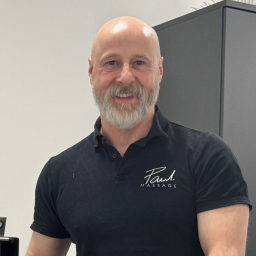
Have you ever booked a deep tissue massage hoping to feel looser and lighter, only to walk out feeling a bit battered? Or perhaps you have enjoyed a gentle holistic massage, but it did not quite reach the stubborn knots between your shoulder blades. Holistic deep tissue massage bridges that gap. It combines the precision of focused pressure with the sensitivity of whole-body care, so you get meaningful relief without losing that grounded, soothed feeling you want from a massage.
What I Mean By Holistic Deep Tissue Massage
I have been practising massage therapy for over 15 years, and one thing I see again and again is that people think deep tissue and holistic are opposites. In reality, they belong together. Your body does not work in parts, so even when we are tackling a specific issue like neck tension, I consider the wider picture. How you breathe, how you sleep, what you do at your desk, the way you stand at the sink while feeding the baby. It all feeds into how your muscles behave.
Holistic vs deep tissue, not a tug of war
Deep tissue simply means working with depth and intention into layers that are holding tension, scar tissue, or trigger points. Holistic means I look at your whole system, including your stress level, nervous system state, and lifestyle. Holistic deep tissue is not just hard pressure everywhere. It is the right pressure in the right place, at the right pace, guided by good communication.
How I combine them in practice
My signature approach, Harmonoflow™, brings these elements together. Sessions are therapeutic, restorative, transformative, and immersive. That means clear goals, a calm and unhurried flow, genuine change where it matters, and an experience that feels safe and absorbing. I blend slow, sustained pressure with myofascial techniques, joint mobilisations, breath coaching, and a few minutes of quiet integration at the end so your body can settle. It is not just about working tissues. It is about helping your system shift from fight or flight into rest and digest, which is where healing happens.
When I might go lighter or deeper
Pressure is a tool, not a target. For areas that are inflamed or guarding, I might start lighter to help your nervous system relax its grip. When the tissue is ready, I work deeper with forearms, knuckles, or slow, melting pressure to change tone and length. If something feels sharp, electric, or makes you hold your breath, we adapt. Good deep tissue should feel intense but welcome, like your body says yes, stay there.
Who It Is For
Desk tension, gym aches, and everyday strain
If you spend long hours at a laptop or in the car around Slough, Maidenhead, Windsor, Ealing, Richmond, or Chiswick, you probably recognise the classic pattern. Tight neck and shoulders, jaw tension, aching lower back, hips that feel stuck. Holistic deep tissue helps resolve the root pattern rather than just chasing pain spots. For gym-goers and runners, it is brilliant for calves, hamstrings, and hip flexors that never quite switch off, and for easing that between-session stiffness without leaving you wiped out for your next workout.
New and expectant parents
For pregnancy and postpartum, the key is to adapt, not avoid. I offer safe, targeted work for expectant mums and those in the months after birth. We focus on back, hips, glutes, feet, and any discomfort linked to feeding positions or carrying. If you are curious about how massage can support recovery, have a look at my piece on massage for postpartum recovery. Every session respects your energy, position comfort, and stage of healing.
Ageing well and staying mobile
As we age, tissues often feel stiffer, and recovery takes longer. Holistic deep tissue supports circulation and elasticity while working within what feels good. I use gentle joint mobilisations for shoulders, hips, and spine, and we take our time to encourage better range without strain.
What You Might Notice After
Physical benefits
- Reduced muscle tension and a longer lasting sense of ease
- Improved range of motion in key areas like neck, shoulders, hips, and ankles
- Fewer headaches linked to neck and jaw tension
- Better posture awareness without forcing your body to stand straight
Nervous system effects
- Deeper breathing, especially if we work around ribs and diaphragm
- Calmer mood, smoother sleep, and less background stress
- That grounded, heavy-limbed feeling that tells you your system has shifted gears
Recovery support
- Less delayed onset muscle soreness after training
- More efficient warm up and cool down between sessions
- Gentle support for lymphatic flow and circulation
A quick note on the word detox. Massage supports your circulation and lymph flow, which helps your body do its own brilliant housekeeping. It does not flush out toxins like a magic button. Drinking water after is sensible because being relaxed is dehydrating in a subtle way, and the tissues you have just softened will appreciate it. There is no need to force litres.
What Happens During A Session
Before I arrive
I am a mobile massage therapist, so I bring a professional couch, fresh linens, and everything we need for an at-home treatment. You only need a space roughly 2 metres by 3 metres. That might be your living room in Richmond, a spare room in Slough, or even a quiet corner if you are near Langley Leisure Centre after a swim. Pets and kids are welcome to be around if that suits you, though a bit of quiet helps you get the most from the session.
The consultation
We start with a short chat about what you want today. If you are worried about your shoulder when you reach for the top shelf, or your lower back when you stand from the sofa, I want to know. We do a quick posture and movement check if helpful. I also ask about medical history, medication, recent injuries, and anything else I should adapt for. Everything you share is confidential. My CNHC registration and insurance are there to reassure you that the session is guided by best practice.
During the massage
I usually begin with slow, broad strokes to warm the tissues. This helps your nervous system trust the process. Then I sink in layer by layer. You might feel me pause on a spot that feels like a knot. We work with your breath, and I use sustained pressure rather than fast digging. If it is shoulders and neck, I might mobilise your shoulder blade and ease around the collarbone. For hips, I will work through glutes, hip flexors, and the lower back in a way that respects depth without fighting the tissue.
Aftercare
You can expect to feel lighter, looser, and sometimes a bit drowsy. A mild ache over the next 24 to 48 hours is normal if we have done deeper work, similar to the feeling after a good workout. Gentle movement, a warm bath or shower, and a walk can help. If anything feels sharper than a healthy soreness, let me know. We adjust next time. There is no need for ice unless you like it, and rest does not mean total inactivity. Natural movement is your friend.
Techniques I Might Use, Explained Simply
Slow deep pressure
Using forearms and knuckles, I apply sustained pressure that melts into the tissue rather than poking. This helps change muscle tone without triggering a guarding response.
Myofascial release
Fascia is the connective web around muscles. I use gentle holds, lifts, and slow stretches that free up restricted lines. It feels strangely spacious when it releases, like you suddenly have more room to move.
Trigger point work
These are irritable spots in muscles that can refer pain elsewhere, like a spot in the shoulder that sends a line up the neck to the temple. We hold and breathe to let them soften. Sharp pain is not the goal. A strong but OK sensation that fades is what we want.
Joint mobilisations and stretching
Small, rhythmic movements at the shoulder, hip, or spine help joints glide better. I may add gentle assisted stretches, always within your comfort. No forcing, no bouncing.
Breath and pacing
Breath is not an add-on. It is a tool. I guide you to exhale as we work a tender area, which encourages your nervous system to release unnecessary tension. The pace of the session is deliberate. Slow work lets your body adapt.
Oil and wax choices
I usually use a neutral, skin friendly wax or oil with low scent. If you have sensitive skin or allergies, tell me. We can go fragrance free. If you prefer a dry approach for more grip during myofascial work, we can do that too.
Pressure scale and feedback
We use a simple scale of one to ten. Seven out of ten is a strong but safe zone for deep tissue. If anything tips into guarding or breath holding, I change the approach. Your input is part of the technique.
Does It Have To Hurt To Work
Short answer, no. Useful change often comes from the combination of the right pressure and the right nervous system state. If your body is bracing, you are less likely to get a good outcome. We aim for good pain, the kind that feels relieving, never sharp or alarming. Bruising is not a badge of honour, and it is not needed for results.
At-Home Relaxation vs A Spa Or Clinic
One of the big advantages of mobile massage is what happens after. When the session ends, you are already home. No fighting traffic out of Ealing, no squeezing into a busy train from Richmond, no queue in a Windsor car park. You can have a warm drink, sit quietly, and let the benefits settle. For many clients, this makes the results last longer.
In practical terms, a home session is straightforward. I need enough space for the couch and room to move around it. If you live in a flat in Chiswick with limited space, we can often make it work by moving a coffee table to one side. If you have children, we time the booking around naps or screen time. If you prefer a clinic environment, I can also arrange sessions near Slough and areas within 10 km.
How Often Should You Book
Short term plan for a specific issue
If you have a clear complaint, say a stiff neck that has flared up, I often suggest two to three sessions two weeks apart. That gives us enough momentum to make change stick. After that, we space it out and see how you hold.
Maintenance for busy bodies
For ongoing desk work, parenting, or training, a session every four to six weeks is a good rhythm. You do not have to commit to anything long term. We can adjust with seasons, work projects, or race schedules if you are a runner or cyclist training out of Maidenhead or using Langley Leisure Centre.
What you can do between sessions
- Two minutes of shoulder rolls and chest opening every hour at your desk
- A towel under your ribs while you lie on your back for three minutes to encourage deeper breathing
- Gentle heat across the upper back before bed
- A tennis ball against the wall for glutes and upper back, slow and mindful, never forcing
- Walking, even for 10 minutes, as a daily reset
Safety, Adaptations, And When To Avoid Deep Work
Massage therapy is safe for most people when adapted properly. There are times when we adjust pressure or avoid certain techniques.
- Pregnancy, especially first trimester, requires adapted positions and pressure. I offer dedicated pregnancy massage and will guide what is appropriate.
- Recent injuries, fractures, or surgeries need time. We can work around the area or focus on supportive zones while you heal.
- Active infections, fever, or contagious skin conditions are a reason to reschedule.
- Blood clot risk, certain heart conditions, uncontrolled high blood pressure, or complex medical histories may need GP or consultant guidance first.
- Fragile skin, severe varicose veins, or areas with bruising require gentle alternatives.
If you are unsure, just ask. I am CNHC registered and insured, and I always prioritise safety. We can adapt a deep tissue plan to suit your body today.
Real Stories From My Practice
The Windsor runner with tight IT bands
R, a half marathoner from Windsor, came to me with outer knee pain on longer runs. Rather than hammer the IT band, we worked through glutes, TFL, hips, and ankle mobility, plus a bit of rib work to free his running pattern. Two sessions in, his stride felt smoother and the ache eased. We added a simple warm up routine and spaced sessions to monthly while he trained.
The Ealing new parent with upper back pain
L had a three month old and a fierce ache between the shoulders from feeding and rocking. We set up side lying for comfort, released pecs and diaphragm, mobilised ribs, and used slower, deeper work through upper back and neck. The big shift came when we changed her feeding position and added two minutes of daily chest opening. Relief was immediate, and it held.
The Slough office manager near Langley Leisure Centre
M spends long days at a computer and swims at Langley Leisure Centre in the evenings. He had persistent neck tension and headaches. We focused on jaw, neck, and shoulder blade mechanics, plus breathing work. He booked three sessions over six weeks in Slough. The headaches reduced, and he now keeps a monthly slot as part of his routine.
The Chiswick guitarist with a stubborn shoulder
S had a sticky right shoulder from years of playing. The key was gentle joint mobilisations, slow myofascial work to the chest and upper arm, and targeted deep pressure around the rotator cuff. No forcing. Over a few sessions, his reach improved and the post-gig ache faded.
Frequently Asked Questions
Is deep tissue only for athletes
No. It is for anyone who wants targeted work that actually changes tension patterns, from desk dwellers in Richmond to busy parents in Maidenhead.
Will I be sore after
Possibly a bit, like after productive exercise. It should settle within a day or two and leave you feeling freer. If soreness lingers or feels sharp, tell me. We adjust.
What should I wear
You undress to your comfort level and are always covered with towels, except the area being worked. For pregnancy or certain techniques, side lying or supported positions are used. If you prefer to keep some clothing on, that is fine, and I can adapt.
How long is a session
Sixty minutes is ideal for focused areas. Ninety minutes is best for full body work with time to sink deeper and let your system unwind. For complex cases, a longer first session can help.
Do you use tools
Mostly hands and forearms. I may use massage wax, a little oil, and occasionally a soft therapy ball for home care suggestions. The main change comes from skilled touch and your body’s response.
Where do you travel
I offer mobile massage across Slough and areas within 10 km, including Maidenhead, Windsor, Ealing, Richmond, and Chiswick. If you are just outside these areas, message me and I will see what we can arrange.
Holistic Deep Tissue vs A Standard Deep Tissue
A standard deep tissue session can be effective but often focuses only on the sore spot with firm pressure. Holistic deep tissue respects that the sore spot is rarely the full story. If your lower back hurts, we check hips, ribs, and how you breathe. If your neck aches, we consider jaw tension, shoulder blade movement, and the hours you spend at the laptop. We also protect your recovery. There is little point in smashing through tissue only to leave your nervous system more alert than before.
How I Work, Practically
I bring a high quality couch, clean linens, and everything needed for a professional setup in your home. I am punctual, easy to have around, and I leave the space as I found it. You choose the music if you like, or we keep it quiet. The point is for you to feel safe and unhurried. If you prefer a focused deep tissue session, you can book that directly via Deep Tissue Massage. If you are curious about the broader approach, read more about Harmonoflow™.
Simple Checks To Know If You Are Ready
- You have recurring tension that returns days after a generic massage
- You want meaningful depth without feeling beaten up
- You value the convenience of at-home relaxation and no commute
- You are open to gentle changes in daily habits that make results last
Final Thoughts
Holistic deep tissue massage is not a style, it is an attitude. It respects your body’s intelligence, it listens, and it works with depth where depth is useful. Whether you are training, parenting, working long hours, or simply want to move with more ease, there is a version of this work that fits you.
If you are in Slough, Maidenhead, Windsor, Ealing, Richmond, Chiswick, or nearby areas within 10 km of Slough, I would be happy to bring the session to you. If you are looking for a way to unwind without leaving the house, a mobile massage might be just what you need. To book deep tissue massage in Slough or nearby, head to the booking page and choose a time that suits you. And if you are unsure which option to pick, send a quick message. I will point you in the right direction.
0 comments