
Most people book because something feels tight or busy in the body. But what they often notice after is a steadier mind, slower breathing, and that lovely sense of “I can switch off now.” It’s the sort of relaxation that’s hard to picture until you’ve felt it yourself.
The kind of relaxation clients don’t expect until they experience it
What people expect vs what actually happens
There’s a common idea that massage is simply about loosening knots. That does happen, of course. But time and again I see something else alongside it: a mental reset. Shoulders drop. Forehead softens. Thoughts stop chasing their tails. It’s a feeling of being safely looked after for an hour or so, without needing to do anything or be anywhere else. I find that’s when the nervous system settles and the real rest starts.
What clients often say or notice
Patterns crop up. People tell me they sleep better that night. They’re surprised by how deeply relaxed they feel. Sessions pass quickly, and they get up feeling soothed rather than spaced out. Some call it “perfect relaxation.” None of this is forced. It tends to happen when the body trusts the process and we work at the right pace and pressure.
Therapist insight: why this shift happens
In practice, good massage is a conversation with your nervous system. Slow, consistent pressure and steady rhythm tell the body it’s safe. When the body believes that, it lets go of protective tension. Breathing deepens, the mind quietens, and muscles release with far less effort. It’s not about pushing harder. It’s about choosing the right techniques, the right order, and leaving enough unhurried time for your system to downshift.
For many clients I’ll blend Deep Tissue Massage with calmer, flowing work. The deeper strokes deal with stubborn areas, but I balance them with slower sequences so your system doesn’t feel “on guard.” I often use a rhythmic approach I call Harmonoflow™. It helps string everything together so the whole body feels included, not just the sore spots. That’s usually when people notice the mental reset.
What this means if you’re considering massage
If you’re new to Massage Therapy, you don’t need to arrive knowing exactly what you want. We’ll have a short chat, set clear aims, and keep everything straightforward and professional. Pressure is always adjusted to you. If something’s too much, say so and I’ll ease off. If you prefer more focused work, we can do that too. The aim is calm, effective relief without bracing or holding your breath.
I work both as a Mobile Massage therapist across Slough and nearby areas, and from my clinic at Langley Leisure Centre. Some people prefer At-Home Relaxation because they can settle straight afterwards without travelling. Others like the clear headspace of coming to the clinic. Both can support the same outcome: a quieter body and a calmer mind.
Real-world moments I hear all the time
Small comments paint the picture: someone leaves looking forward to a proper night’s sleep. Another says they’ve never felt so relaxed after a session. Quite a few mention how quickly the hour goes and how soothed their body feels. These aren’t big promises. They’re everyday outcomes when we pace the work well and your body gets a chance to exhale.
Simple ways to get the most from your session
Before we start
- Arrive a few minutes early at the clinic, or at home just clear a space roughly 2m x 3m with a nearby plug socket. I bring the table, oils and music.
- Think about what you want from the session: better sleep, easing neck tension, or simply to switch off. It helps me shape the plan.
- Wear something easy to change in and out of. You’ll be covered with towels at all times for comfort and privacy.
During the massage
- Let me know if you’d like more or less pressure at any point. Deep doesn’t have to mean painful.
- Quiet is fine. Chatting is fine. Many people drift in and out. There’s no right way to relax.
- If your mind is busy, try following your breath or the rhythm of the strokes. It often helps the body settle.
Afterwards
- Give yourself a little time before jumping back into a busy day. A short walk, water, and gentle movement are usually enough.
- Notice your sleep that night. Many people find it easier to drop off and stay asleep.
- If tension is long‑standing, a short run of sessions can help build momentum. We’d decide that together, based on how you respond.
Where I work and how it fits into daily life
I offer Mobile Massage across Slough and areas within 10km, including Windsor, Maidenhead, Datchet, Burnham and surrounding neighbourhoods. I also travel into parts of West London such as Ealing, Richmond and Chiswick when diary routes allow. If you prefer a clinic setting, I’m based at Langley Leisure Centre in Slough. Either way, the focus is the same: calm, professional care at your pace.
A steady addition to your routine
Massage isn’t a magic fix, but it can be a steady anchor. Many clients start for a specific ache and keep coming because of the calmer sleep, the settled nerves, and the feeling of being more at home in their body. That’s the kind of relaxation people don’t expect until they feel it.
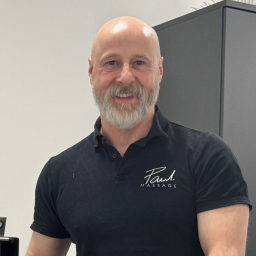
If you’re looking for a way to unwind without leaving the house, a mobile massage might be just what you need. To book Deep Tissue Massage in Slough or nearby, head to the booking page and choose a time that suits you. I’m Paul, and you’ll see me each visit—same hands, same calm approach, whether at home or at the clinic.
0 comments